code_aster : non-linéarité, fatigue et couplages multiphysiques
24-25 Novembre 2026
Synthèse de la formation
Voir la fiche formationVous vous reconnaissez ?
- Vous souhaitez basculer vers un code open-source pour une meilleure maîtrise technologique et un avantage de coût, mais vous ne savez pas par où commencer ni comment structurer vos premiers calculs.
- Vous lancez des calculs mécaniques qui ne convergent pas ou donnent des résultats incohérents : conditions aux limites mal définies, propriétés matériaux incorrectes, problèmes de contact ou de non-linéarité… et vous passez des heures à comprendre ce qui ne fonctionne pas.
- Vous avez du mal à interpréter les fichiers .mess et les messages du solveur : le calcul a-t-il réellement convergé ? Les itérations de Newton sont-elles acceptables ? Les résultats sont-ils physiquement cohérents ?
- Vous souhaitez aller au-delà des tutoriels et maîtriser pleinement code_aster pour l’adapter à vos cas industriels : automatiser vos calculs, chaîner plusieurs simulations, piloter des études paramétriques ou intégrer le solveur dans une chaîne de simulation plus large.
Pourquoi notre formation en particulier ?
Théorie revisitée, pratique immédiate
Deux journées de pratique adossée à une révision des fondamentaux théoriques. Chaque TP est plus exigeant que le précédent : vous progressez par paliers concrets, de la découverte à l'industriel, pas par slides.
De l'installation au post-traitement : le workflow complet
Vous apprenez à faire fonctionner et à maîtriser les outils (Salomé, code_aster et Paraview) ensemble, comme dans votre quotidien. Pas juste le solveur : toute la chaîne de simulation.
Des formateurs praticiens, en face de vous
Nos ingénieurs et docteurs utilisent code_aster quotidiennement sur des projets industriels chez Simvia. En présentiel, ils vous partagent en direct les bonnes pratiques, les pièges à éviter et les astuces de résolution que vous ne trouverez dans aucune documentation.
Un encadrement de proximité
1 formateur pour 8 stagiaires maximum pendant les travaux pratiques. Quand vous bloquez, un expert est à côté de vous.
Un réseau, pas juste une formation
Le format inter-entreprises réunit des ingénieurs de différents secteurs et horizons autour des mêmes problématiques. Vous échangez vos retours d'expérience, confrontez vos approches et repartez avec un réseau de pairs qui partagent votre quotidien technique.
Public
- Entreprise : ingénieurs et techniciens ayant des notions de base dans le domaine physique et numérique couvert par la formation.
- Académique : chercheurs, doctorants et étudiants des établissements d’enseignement supérieur et de recherche.
Prérequis
Maîtrise de base de code_aster. Bonne connaissance générale de la mécanique des milieux continus et des méthodes numériques de résolution. Connaissance minimale du calcul non linéaire.
Programme détaillé
Jour 1 matin : Résolution de problèmes quasi-statique non linéaire
Introduction de la formation
- Rappel sur les problèmes non linéaires et focus sur les lois de comportement non-linéaires
- Pilotage d'un calcul non linéaire dans code_aster (bonnes pratiques)
- TP : calcul de tuyauterie avec comportement élasto-visco-plastique et dépendance à la température.
Jour 1 - Après midi : Post-traitement avancés
- Rappel théoriques sur les post-traitements de fatigue
- Post-traitement dans code_aster
- TP : calcul de durée de vie
Jour 2 - Matin : code_aster scripting pour le couplage de calculs
- Formulation d'un problème couplé thermo-mécanique en schéma alterné
- Gestion des échanges de données dans code_aster
- TP : calcul thermo-mécanique
Jour 2 - Après-midi : code_aster et calcul parallèle
- Rappel sur le parallélisme et les solveurs linéaires
- Options disponible dans code_aster
- TP : Analyse de l'impact des choix d'option de résolution sur le temps de restitution et la consommation mémoire.
Détails pratiques
- Dates
- 24-25 Novembre 2026
- Durée
- 2 jour(s)
- Lieu
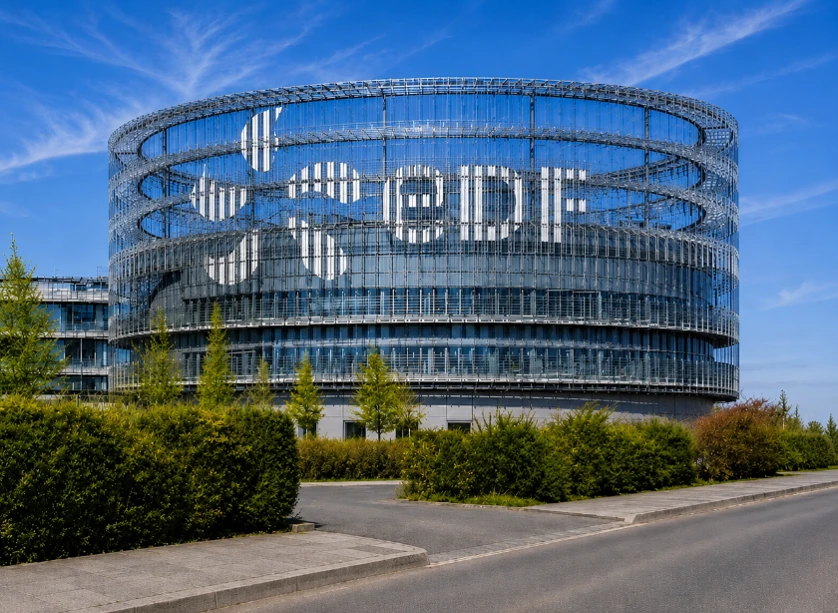
- EDF Lab Paris-Saclay
- Langue
- Français
- Horaires : 9h à 12h30 et 14h à 17h.
- Sur place : EDF Lab Paris-Saclay (Palaiseau), déjeuners et pauses café inclus. À distance : deux journées espacées d’une semaine, pour mettre en pratique entre les deux.
- Langue : oral en français, supports en anglais (sessions à distance en anglais).
- Chaque formateur encadre au maximum 8 stagiaires pendant les travaux pratiques.
- Aide à l’installation de la dernière version du code et certificat de fin de formation.
Indicateurs de performance
- Participants formés
- -
- Taux d’assiduité
- -
- Taux de satisfaction
- -
- Taux de réussite
- -
Accessibilité
Nous nous engageons à favoriser l’accès de nos formations aux personnes en situation de handicap. Chaque situation étant unique, nous vous invitons à nous contacter avant votre inscription afin d’étudier ensemble les adaptations pédagogiques, techniques ou organisationnelles pouvant être mises en place.
Plus d’infos

Basile Marchand
Je suis expert en mécanique numérique et formateur en simulation scientifique. Docteur en mécanique numérique, j’ai évolué pendant plusieurs années dans le monde académique, en étroite collaboration avec l’industrie sur des problématiques avancées de modélisation et de calcul par éléments finis. En parallèle de mes activités de recherche et de projets partenariaux, j’ai enseigné la programmation et le calcul scientifique en école d’ingénieur, ce qui m’a permis de développer une solide expérience pédagogique. Aujourd’hui Computational Mechanics Tech Lead chez Simvia, je cumule plus de 10 ans d’expérience autour de la mécanique numérique et des environnements de simulation industrielle. Je conçois et j’anime des formations à forte valeur ajoutée pour ingénieurs, équipes R&D et doctorants, en mettant l’accent sur l’alliance entre rigueur théorique, bonnes pratiques logicielles et applications terrain. Mon objectif est de rendre accessibles des concepts complexes et de proposer une progression claire vers des compétences opérationnelles directement mobilisables après la formation, de l’introduction aux méthodes jusqu’à leur intégration dans des workflows industriels.
En savoir plusTarifs
Inclus : déjeuners, pauses café, aide à l'installation de la dernière version du code...